Carpet in a child's room is one of the few flooring decisions where people are weighing two different things at once - what is safest to put a small person on, and what will survive that same small person for the next several years.
Those two questions have different answers, and the products that satisfy both are a narrower set than the showroom suggests. Here is the honest version.
What "safest" actually means when you are shopping
The concern most parents raise is off-gassing - the new-carpet smell, and what is producing it. It is a fair question and there is a practical way to act on it.
New carpet, the cushion under it and any adhesive used all release volatile organic compounds, most heavily in the first days after installation. The way the industry addresses this is emissions testing, and there are two labels worth asking for by name.
**CRI Green Label Plus** is the Carpet and Rug Institute's program, and it certifies carpet, cushion and adhesives against emissions limits. **GREENGUARD Gold** is a broader low-emission certification applied across many interior products, with criteria set with sensitive occupants in mind.
Neither label means a product emits nothing. What they mean is that it was tested against a published limit rather than described as low-VOC by whoever is selling it. Ask which certification a specific carpet and its cushion carry, and ask for it in writing on the quote.
Two things that get overlooked. **The cushion and the adhesive matter as much as the carpet**, and they are usually specified separately - it is entirely possible to buy a certified carpet and have it laid over an uncertified pad. And in a bedroom carpet is normally stretched over cushion rather than glued down, which removes most of the adhesive from the equation before you start.
The practical steps are unglamorous and they work: have the room ventilated during and after installation, run the air, and if you can avoid it do not have a child sleep in the room the first night. Most of the emissions happen early and drop off quickly.
Fiber, and what each one is genuinely good at
This is the decision that determines how the carpet ages.
**Nylon** is the durability benchmark. It has real resilience, meaning it springs back rather than staying crushed underfoot, and it takes stain treatments well. In a room that gets played in rather than just slept in, it is usually the right answer.
**Triexta** is the standout for stain resistance and holds up well underfoot. For spills specifically - and a child's room is a spill environment - it is very strong.
**Polyester** is soft and inexpensive and it takes color beautifully. It also crushes permanently: once the fibers are flattened by traffic they do not recover, and no cleaning brings them back. It is fine in a low-traffic bedroom and a poor choice in a playroom.
**Wool** is the natural-fiber option with no synthetic off-gassing, and it is genuinely lovely. It costs considerably more and it stains more readily than a treated synthetic, which is a real trade-off in this particular room.
There is one specification worth more than the fiber name: **solution-dyed**. The color is locked into the fiber itself rather than applied to the outside, which means the carpet survives aggressive cleaning - including, on some products, diluted bleach-based cleaners - without losing color. In a child's room that is the single most useful property you can buy.
Pile: low and dense beats soft and deep
The instinct is to buy the softest, deepest carpet available for a child's room. It is usually the wrong call.
A long shag pile traps everything that lands in it, is difficult to clean properly, and swallows small toy pieces. It is also unstable underfoot, which matters for a toddler learning to walk and for anything with wheels.
A **dense, lower pile** is easier to clean, more stable to walk and play on, and holds its appearance much longer. Density - how tightly the tufts are packed - does more for comfort than height does, and a dense low pile feels substantial rather than thin.
**Cut pile rather than loop** in a child's room. Loops can be caught and pulled by toys, and by pets if you have them.
The cushion is the part that does the falling
Children fall over. The cushion under the carpet is what absorbs that, and it also carries most of how the floor feels and does a large share of the work of keeping the carpet alive.
It is not the place to save money, and a thin builder-grade pad compacts within a couple of years - after which the carpet above it is being ground against the subfloor with every step.
It is also possible to overdo it. A pad that is too thick or too soft makes the floor unstable underfoot, can cause the carpet to wrinkle, and falls outside what some manufacturers will warrant. Ask for the pad thickness and density the carpet manufacturer actually specifies, and buy a good example of that rather than the thickest thing available.
Plan for cleaning before you buy, not after
Assume it will be cleaned often and choose accordingly. Solution-dyed fiber, a stain-resistant treatment, and a color that is neither white nor so dark that everything shows.
Blot spills rather than rubbing them - rubbing works the spill down into the pile and damages the fiber - and deal with them quickly, because most of what makes a stain permanent is time.
For a playroom specifically, **carpet tile** is worth considering. It is modular, so a square that has met something unrecoverable is replaced on its own rather than the room being redone. It reads as more commercial than broadloom, which suits some rooms and not others.
Where carpet belongs, and where it does not
Bedrooms and playrooms: yes, and it is still what most families want there.
Bathrooms: no. Carpet holds moisture in a room that gets re-wetted daily and does not dry properly, which is a hygiene problem rather than an aesthetic one - what actually survives a wet room covers what to use instead.
Kitchens and anywhere food is eaten: no, for the same reason people regret it.
**Stairs** deserve their own thought. Carpeted stairs are warmer, quieter and considerably safer underfoot than hard treads, which matters a great deal with young children. They also wear faster than anywhere else in the house, because every footstep lands on the same few inches of nosing - so buy the durable fiber here even if you economize elsewhere. Stairs, transitions and trim covers what that work involves.
If you have pets as well as children
Most families asking about this have both, and they are genuinely different problems. Kids are about softness, cleanability and emissions. Pets are about claws, accidents and odor, and the fix for one is not automatically the fix for the other - although solution-dyed nylon happens to be a strong answer to both.
Carpet that holds up to pets covers that side of it.
Seeing it in the actual room
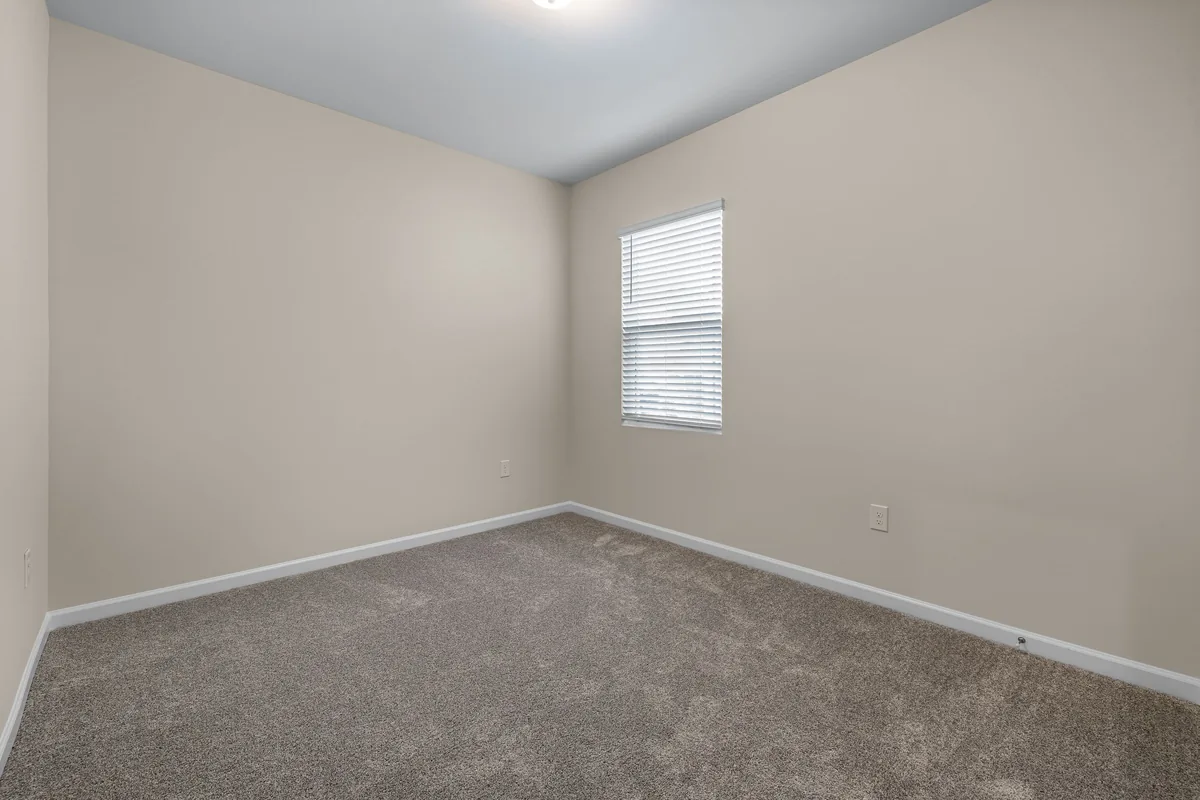
Carpet color shifts more than people expect between a showroom and a bedroom, and a child's room is often a smaller space with one window and a strong wall color already in it.
We bring samples to the house so you can put them on the actual floor, next to the actual wall, at the times of day the room is used. Bring the questions about certification to that visit - we will tell you what a specific carpet and pad carry rather than guessing.
We fit carpet across Forney, Rockwall, Rowlett, Terrell, Mesquite and the rest of Kaufman and Rockwall County, and our showroom is at 10 Mustang Court in Forney. Book a free estimate.