
Laminate Flooring
Laminate carries a reputation earned by product that has not been sold in twenty years. The surface on a current plank is harder than the finish on real wood and harder than the top layer on vinyl, which makes it the most scratch-resistant floor in most showrooms. Its limit has never moved: the core is compressed wood fiber, and wood fiber and standing water do not coexist.
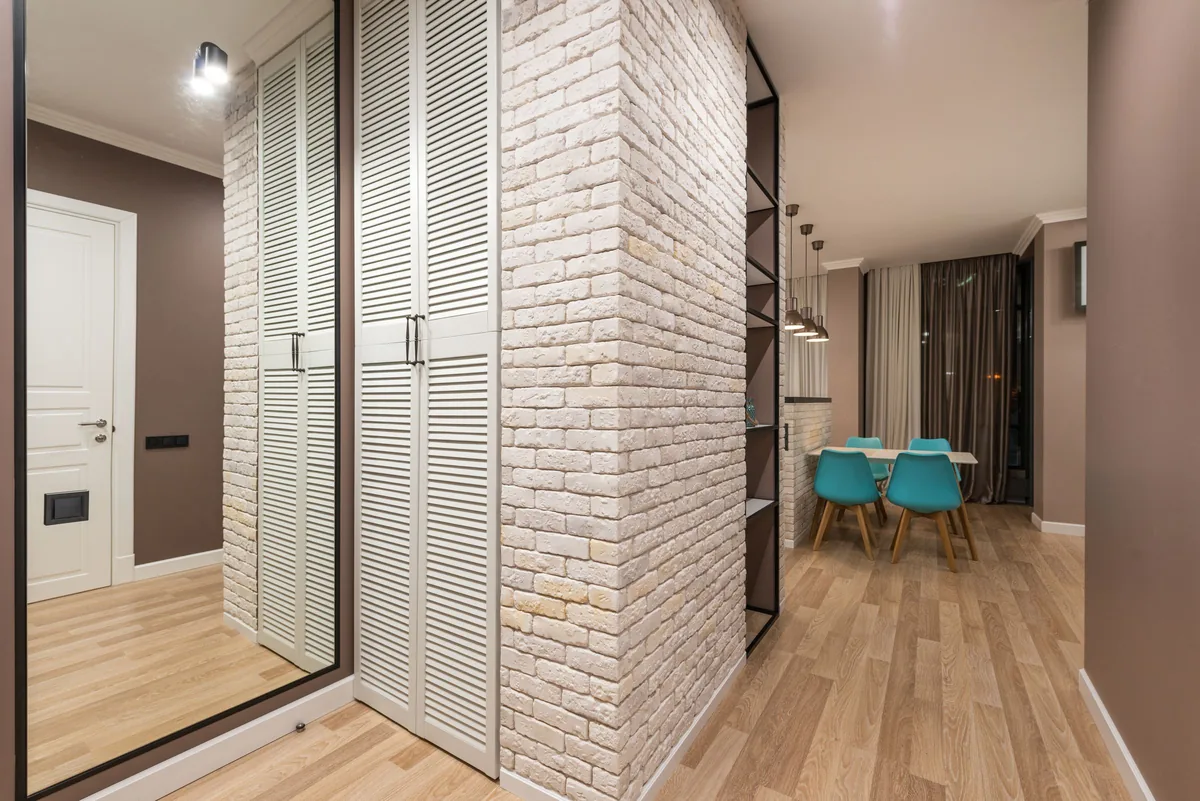
What changed about laminate since the 1990s
An aluminum oxide surface resists scratches
A laminate plank is a high-density fiberboard core with a printed decor layer above it, sealed under melamine impregnated with aluminum oxide. That top layer is genuinely hard, harder than a urethane finish on site-finished oak and harder than the vinyl wear layer on an LVP plank.
If your main complaint about the last floor was that everything marked it, this is the material that answers it.
Embossed in register and tighter joints
The reputation comes from the early stuff: glued together board by board, printed with a pattern that repeated every few planks, edges that swelled the first time a wet mop crossed them, and a hollow plastic sound nobody mistook for wood.
Current product is embossed in register, so the texture under your foot lines up with the grain you see. The print runs across many more unique boards, the bevels are pressed rather than routed, and the locking systems are tighter with treated edges that hold surface water off for hours instead of minutes.
A swollen fiberboard edge never goes back
What did not change is the core. Fiberboard swells when it absorbs water and it does not shrink back, so a plank with a swollen edge is a permanently swollen plank.
Waterproof-rated laminates exist and they are a real improvement, but the rating covers the surface and the joint, and it assumes water gets wiped up rather than left to stand. That single fact drives every room decision below.
What's included
- AC-rated planks matched to the traffic in each room
- Embossed-in-register surfaces that read as separate boards
- Underlayment selected for the plank and the subfloor
- Poly moisture barrier lapped and taped over concrete
- Expansion gaps held at every wall, jamb and island
- Silicone-sealed perimeters in kitchens and entries
- Transitions and reducers fitted to adjoining floors
- Room-by-room advice on where laminate should not go
Reading the AC number before you buy
AC3 for bedrooms, AC4 or AC5 for traffic
Laminate carries an AC rating from one to six, set by a standardized abrasion test alongside impact and stain checks. AC1 and AC2 are light duty and belong in a closet. AC3 is the practical residential floor for bedrooms and a normal living room.
AC4 is what to specify for an entry, a hallway, a home office where a chair rolls, or a house with a dog. AC5 is commercial rated, and it is the right answer when several kids and a large dog share the house.
What the AC number leaves out
Read what the number does not cover. AC measures how the surface resists wear. It says nothing about how the core reacts to moisture and little about denting from a dropped pan. The AC scale also does not convert to the mil scale used for vinyl wear layers.
In practice, a good AC4 laminate will out-scratch a twelve-mil LVP, and that same twelve-mil LVP will outlast the laminate in a laundry room by years. They win at different things.
Laminate above the ankle, vinyl at floor level
That trade is the entire comparison between the two. If your house is hard on floors above the ankle, with furniture sliding, claws, tracked grit, kids and toys, laminate is the tougher surface. If your house is hard on floors at floor level, with a dog bowl, a mudroom off the pool and a laundry that has flooded, rigid vinyl is the safer core.
Plenty of houses out here get both, laminate through the living areas and vinyl in the wet rooms, matched closely enough at the doorway that nobody notices.
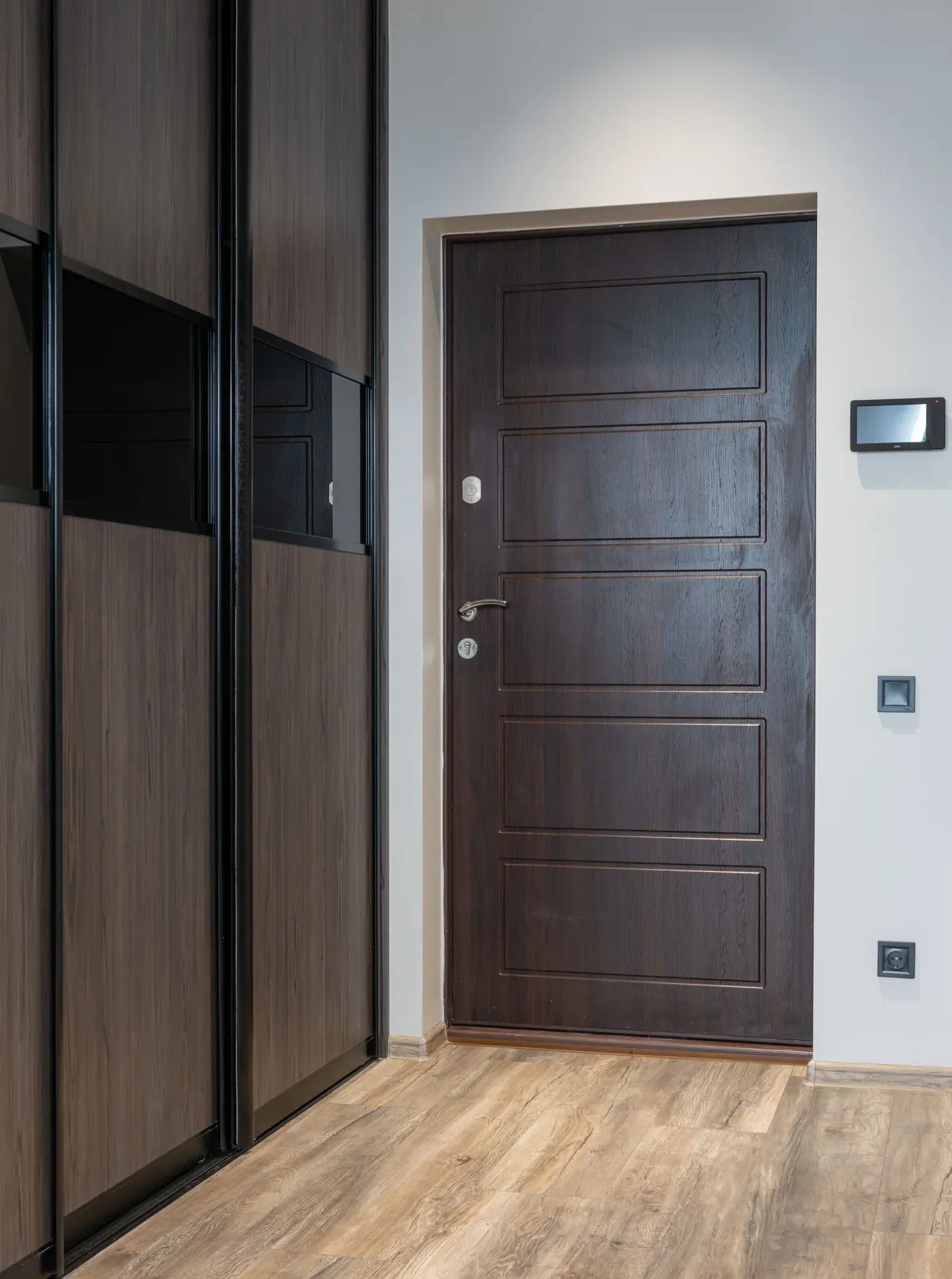
Sound, underlayment and rooms to skip
Laminate clicks and carries sound upstairs
Laminate feels different from vinyl underfoot, worth knowing before the order goes in. A fiberboard core over a pad is firmer and more resonant than a foamed vinyl plank, so heel strikes and dog nails carry a distinct click, and upstairs that noise carries into the room below.
It also feels cooler and more solid, closer to real wood, which is why some people prefer it. The only way to settle it is to stand on both, so we bring samples to the house rather than asking you to judge from a showroom rack.
One pad only, and a vapor barrier over concrete
Underlayment does more work here than under any other floating floor. It cushions the click, absorbs small inconsistencies, and over concrete it carries the moisture barrier. Concrete is never as dry as it looks, and a slab on clay that soaks through a wet spring pushes vapor up into a fiberboard core, so a poly film or a combined pad-and-film goes down first, seams lapped and taped.
Where the plank already has a pad attached, nothing goes underneath it. Stacking pads makes the floor too soft, the joints flex, and the locking edges eventually give out.
Baths and laundries out, kitchens debatable
Rooms to skip: full bathrooms, laundry rooms, and mudrooms where wet shoes and a dog bowl live. Kitchens are the argument. A waterproof-core laminate with a sealed perimeter and a pan under the dishwasher performs well, and plenty are down in Kaufman County doing fine, but the kitchen is where homeowners who chose laminate most often wish they had chosen otherwise.
Everywhere else, bedrooms, living areas, a game room, a home office, a hallway that takes the whole family, it is a hard-wearing floor that looks the part.

What homeowners say
"Got my new floors installed and just love them so much.. not only was the floors awesome beautiful the staff the team was amazing.. the guys moved all my furniture put everything back when finished. 10000% will use all about floors when I do my bedrooms.. big shout out to Sophia & Amanda.. they helped me pick the right color was no pressure it was all a great experiment. Will send friends & family there to buy floors. And will be back. Thanks to all about floors making my house beautiful"
Tracie Richman · via Google "I needed carpet for my master bedroom right away. So I could get my house on the market. They stepped up within four days it was done. They were able to have it finish within 4 hours. Very professional from the sales person to installer. This was during Memorial Day weekend. I very much appreciate of All About Floors. They also matched the color and style of the other carpet other bedrooms. Thank you All About Floors. I would suggest anyone that need Floor install. They are people you would want."
Steven Dyess · via Google
Laminate questions
Is laminate a good floor for dogs?
For claws it is one of the best floors you can buy. Specify AC4 or AC5 and nails will not mark it the way they mark wood. The dog problem with laminate is not scratching, it is water. A tipped bowl standing overnight against a seam swells the core, and an accident found in the morning does the same. Put the bowl on a tray.
Can we use a steam mop on it?
No. Steam drives moisture through the joints into the fiberboard core, and it voids the warranty on essentially every laminate sold. Damp is fine: a well-wrung microfiber mop, or a cleaner made for laminate sprayed onto the pad rather than the floor. Sweep first, since grit under a mop head is what dulls a surface that would otherwise last decades.
How long does the installation take, and can we walk on it right away?
A floating floor goes down quickly and there is nothing to cure, so you walk on it as soon as the last plank locks in, and furniture comes back the same day. A single room is usually a day. A main living area with several doorways and closets takes longer than the square footage suggests, because the cuts consume the time.
Once it is down, how do we tell laminate and LVP apart?
Tap it. Laminate rings slightly hollow and bright; vinyl answers with a duller, softer sound. Look at a cut edge where a floor register exposes one and the difference is obvious: laminate shows a brown compressed fiber core, vinyl a uniform gray or off-white composite. Vinyl also feels warmer to the hand, and a loose plank flexes, while laminate snaps.
Will laminate cup or gap seasonally the way wood does?
Not in the same way. The core is engineered fiber, so it does not shrink and swell across the grain with humidity the way a sawn board does, and you will not see winter gaps open between planks. The field does expand with temperature, which is why the perimeter gap matters. What looks like cupping is nearly always water at a seam, or a floor pinned by trim or a heavy island.
Guides from our team
-
Laminate Floor Problems: Swollen Edges, Lifting, Clicking and Dull Patches, and What Causes Each
Read the guide → -
How To Install Laminate Flooring (DIY Guide)
Read the guide → -
Laminate Flooring Cost Guide | Install & Materials (2025)
Read the guide → -
The Best Flooring for Dogs in a North Texas House: Claws, Water Bowls and Accidents, Floor by Floor
Read the guide → -
Luxury Vinyl Plank vs. Laminate: Which One Belongs in Your House
Read the guide → -
How to Maintain Vinyl Flooring – Cleaning & Longevity Tips
Read the guide →
Flexible financing available
Wisetack and Synchrony
Laminate Flooring by city
- Rockwall Laminate Flooring
- Forney Laminate Flooring
- Fate Laminate Flooring
- Terrell Laminate Flooring
- Royse City Laminate Flooring
- Heartland Laminate Flooring
- Heath Laminate Flooring
- Sunnyvale Laminate Flooring
- Kaufman Laminate Flooring
- Crandall Laminate Flooring
- McLendon-Chisholm Laminate Flooring
- Mabank Laminate Flooring
- Talty Laminate Flooring
- Combine Laminate Flooring
- Kemp Laminate Flooring
- Wills Point Laminate Flooring
- Rowlett Laminate Flooring
- Mesquite Laminate Flooring
- Garland Laminate Flooring
Other floors we install
-
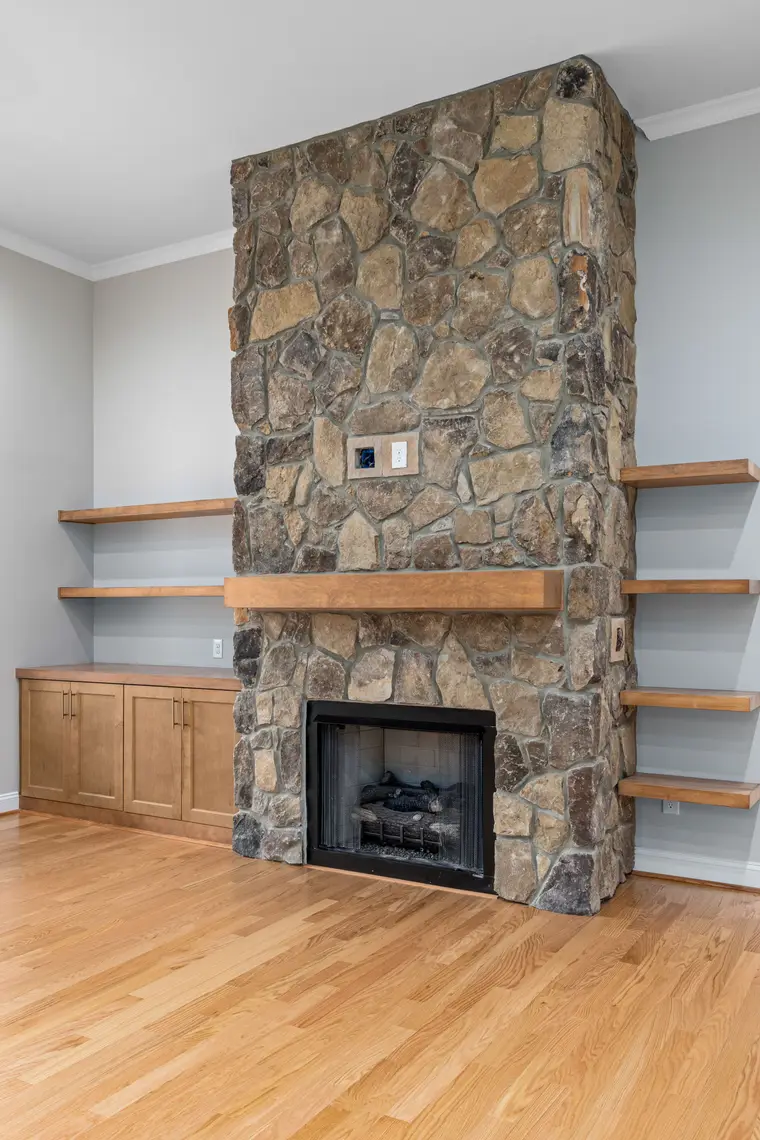
Hardwood Flooring Installation
Solid and engineered hardwood installed over slab and pier-and-beam homes in Forney, Kaufman and Rockwall counties and the wider Dallas metro.
Learn more → -
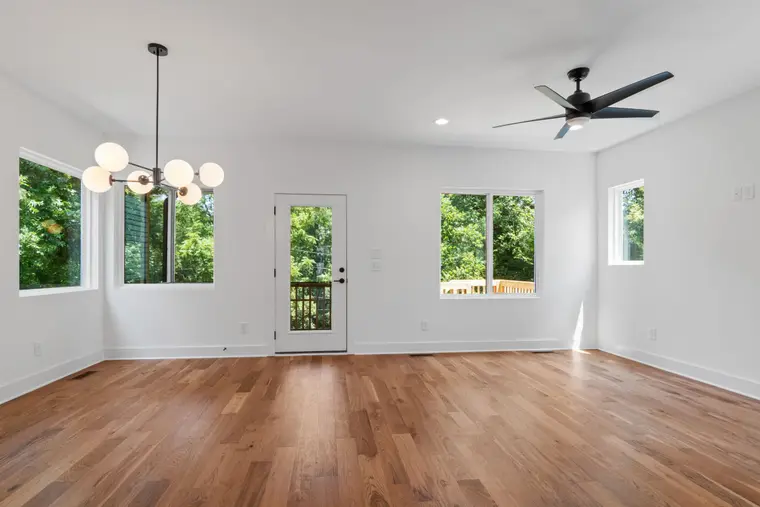
Hardwood refinishing & sanding
Sanding and refinishing existing hardwood floors across Forney, Kaufman and Rockwall counties, starting with an honest read on whether yours can be saved.
Learn more → -
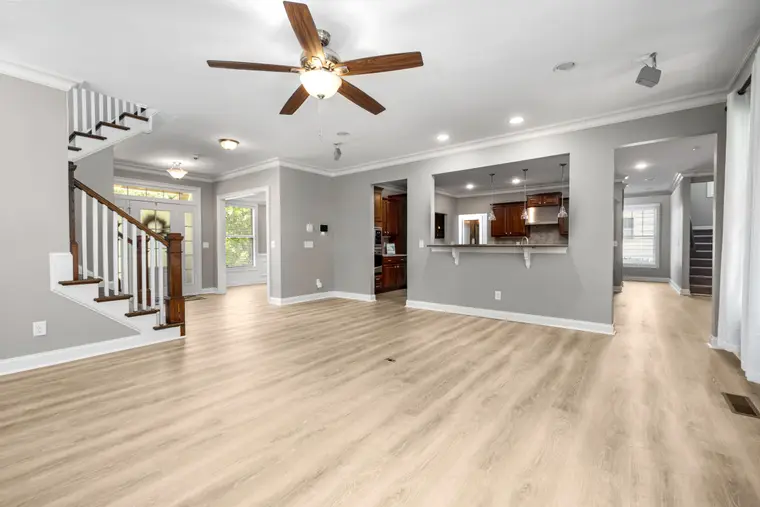
Luxury Vinyl Plank Flooring
Luxury vinyl plank installed over slab in Forney, Rockwall and the Dallas metro, with the slab prep that keeps a floating floor tight and quiet.
Learn more → -
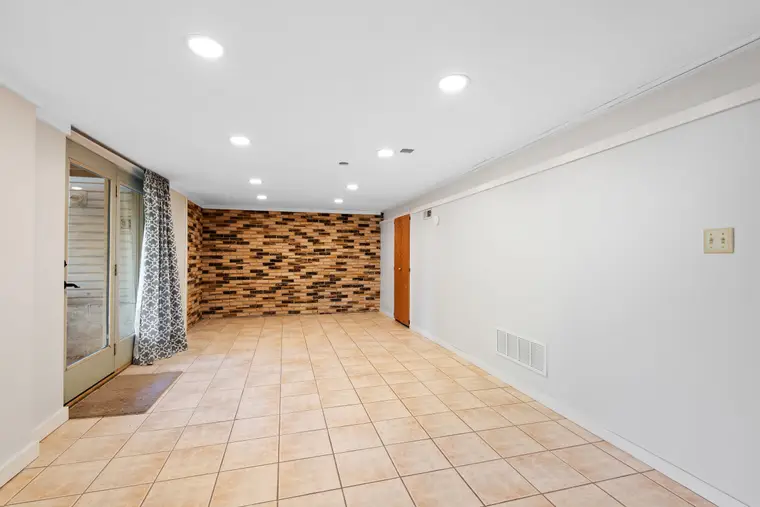
Tile Flooring
Porcelain, ceramic and natural stone tile set over properly prepped slabs in Forney and across the Dallas metro. Free in-home samples.
Learn more → -
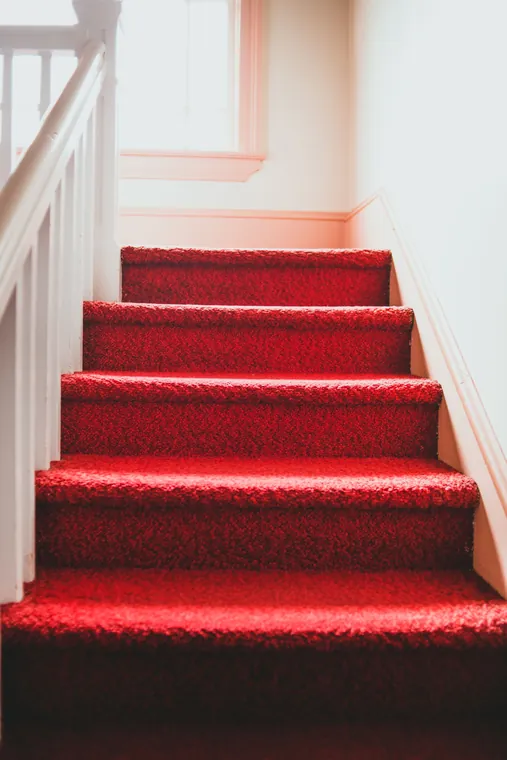
Carpet Installation
Carpet and pad for bedrooms, stairs and upstairs living areas, measured, seamed and power stretched throughout Forney and Kaufman County.
Learn more → -
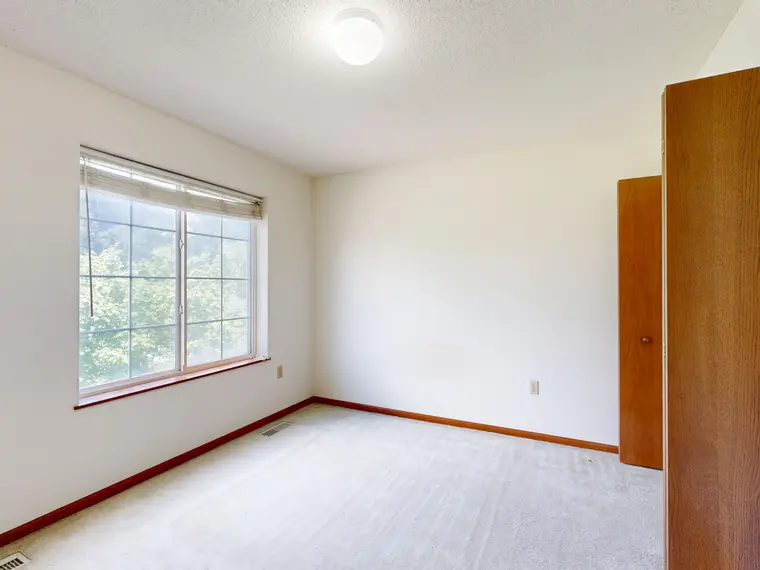
Floor removal & demo
Tile, thinset, carpet and old vinyl removed and hauled off, and the slab ground flat, for homes across Forney, Kaufman and Rockwall counties.
Learn more →
Ready for floors you'll actually love?
Free in-home estimate, clear pricing, and a crew that shows up when we say we will.
