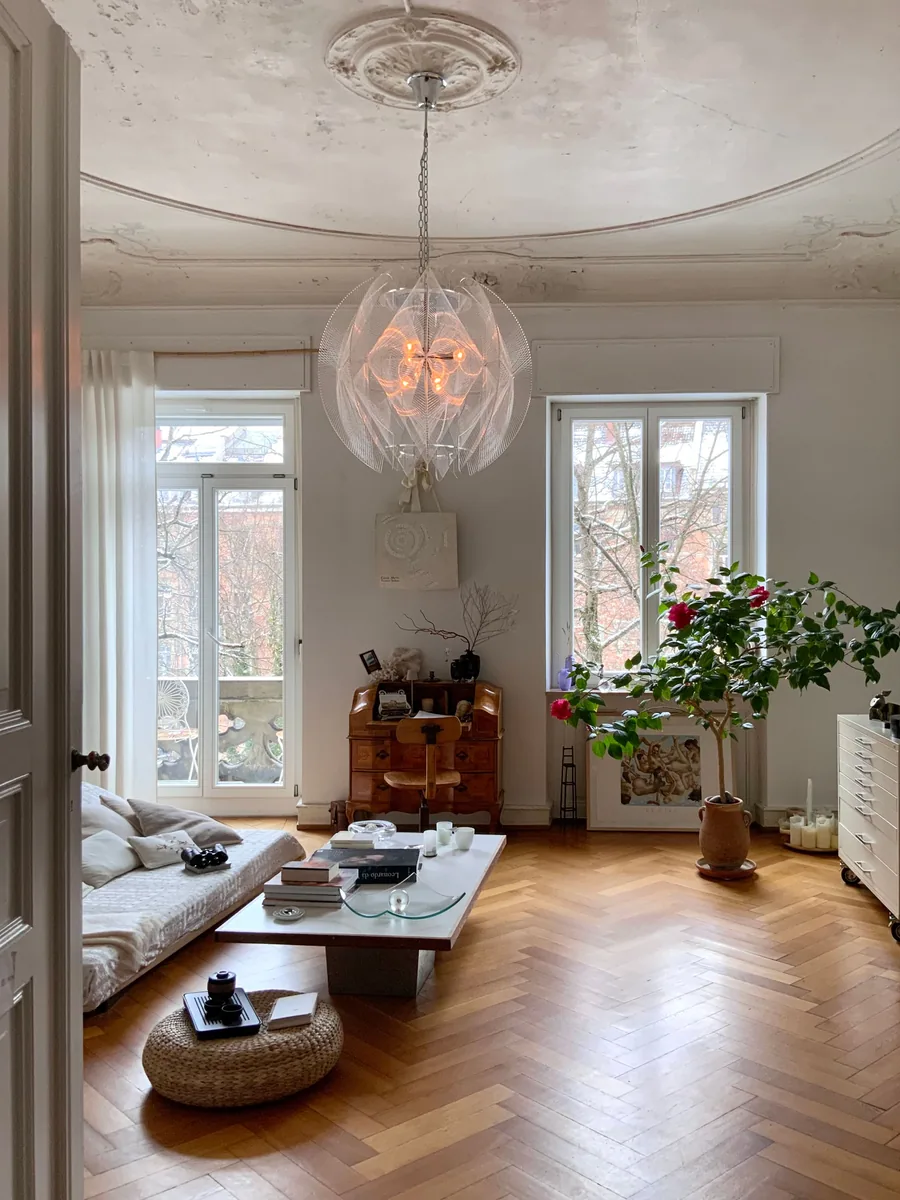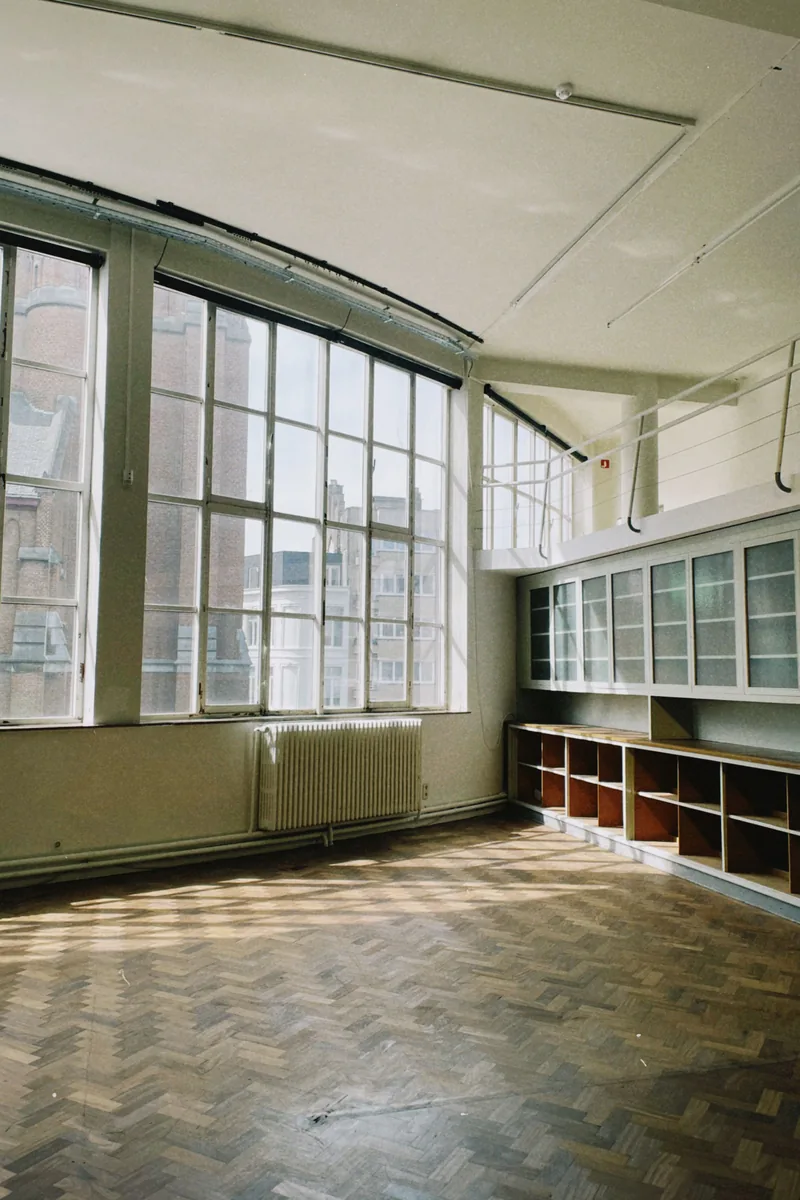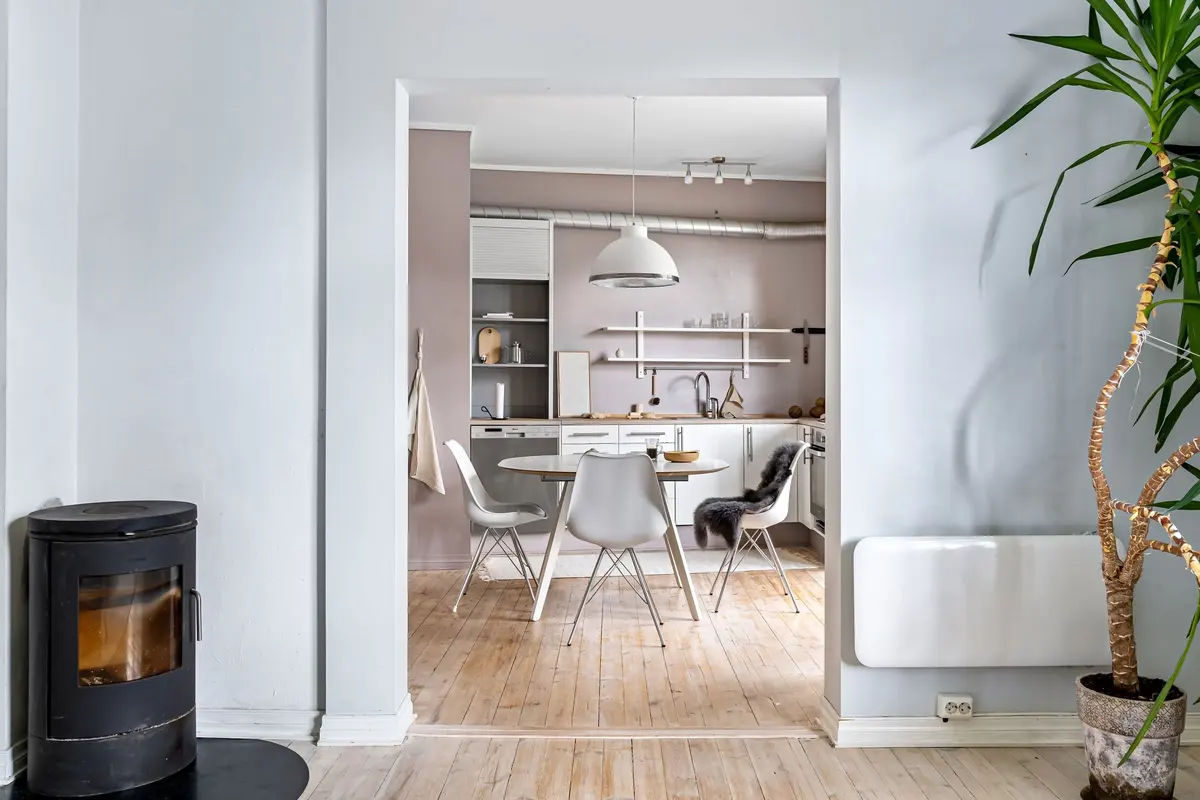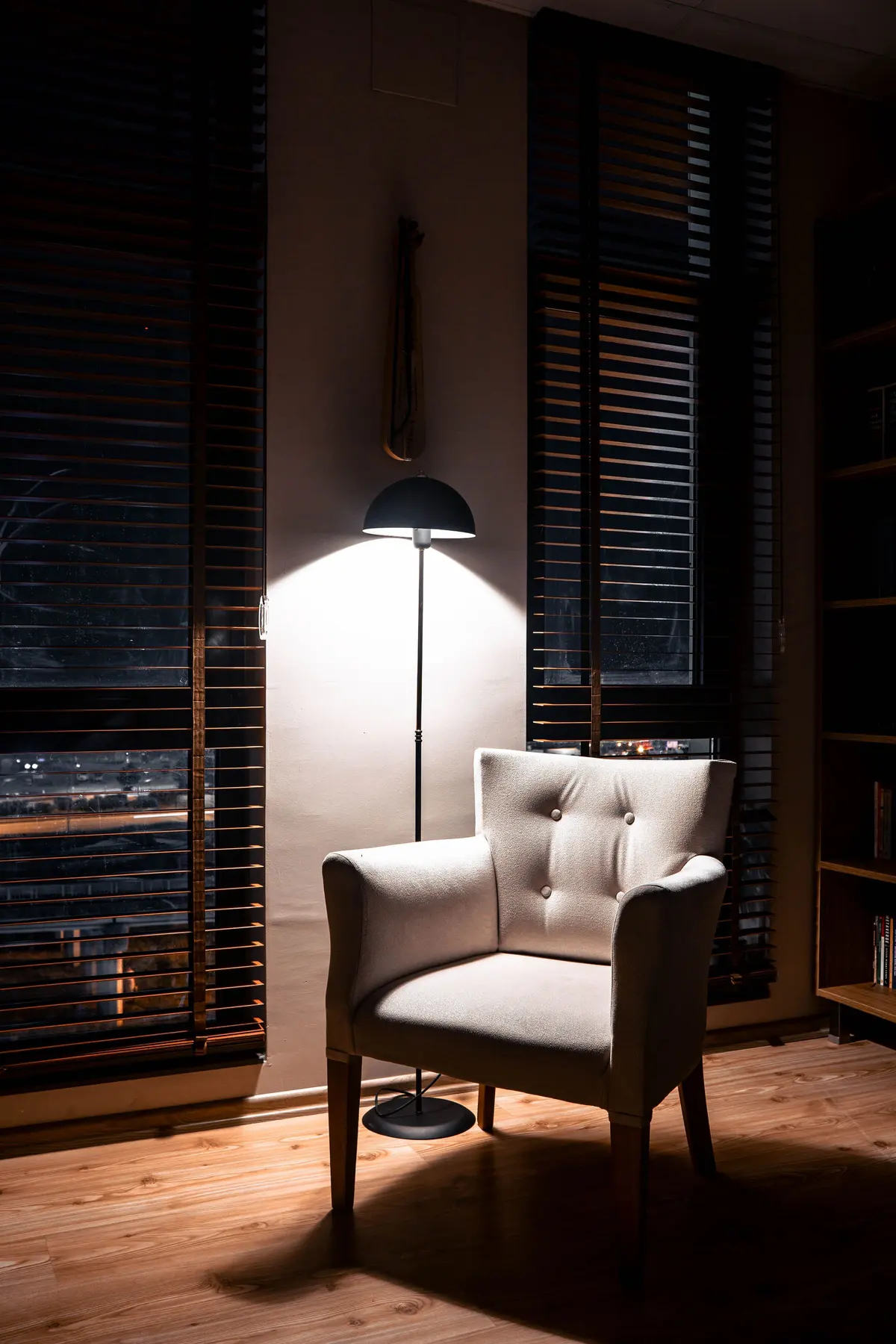
Refinishing is the one flooring decision people genuinely lose sleep over, and it is not the cost. It is the color.
Everything else about a refinish is reversible in the sense that it can be redone later. The color is what you look at every day, it goes on a floor that is now bare and cannot wait, and changing your mind afterward means sanding the whole thing again. It is worth spending a day on properly.
Sample on your own floor, and nowhere else
This is the whole thing, and it is the step people skip.
Stain color is a reaction between a pigment and a specific piece of wood. The same can of stain on red oak, white oak, hickory and pine gives four visibly different results, because each species has a different natural color and takes pigment differently. A color chip in a showroom, a photograph online, and a sample board of somebody else's wood will all mislead you.
The right way is straightforward. Once the floor is sanded, the crew puts several candidate stains directly onto your floor, in a low-traffic area of the actual room, in patches large enough to read — a foot square, not a smear. Then you look at them.
Look in the morning and again in the evening, with the lights on and off. Look with the curtains open and closed. A stain that reads warm and rich in lamplight can read flat and gray in the middle of a bright Texas afternoon through a west-facing window, and both are your house.
Any refinisher should offer this without being asked. If someone wants you to pick from a chart, that is the moment to push back.
What your wood will let you do
You are not starting from white. You are starting from whatever species is on your floor, and it sets the range.
**Red oak** is the most common floor in older houses around here, and it has a genuine pink-red undertone. That undertone survives most stains and it fights gray hard — this is why so many attempts at a fashionable gray floor on red oak end up faintly purple or muddy. Red oak does mid-tone browns and warm colors beautifully. It resists cool colors, and going very light on it takes real work.
**White oak** has a browner, more neutral undertone and is far more cooperative. Cooler and grayer colors that fail on red oak work on white oak. If your floor is white oak you simply have more options.
**Hickory and maple** are dense and close-grained, which means they take stain unevenly and can blotch. They often look better with a clear finish or a very light tint than with a heavy color, and a good refinisher will tell you so.
**Pine**, in genuinely old houses, is soft and drinks stain unevenly by nature. That unevenness is part of the character rather than a fault.
The useful question to ask before you fall in love with an image is: is that floor the same species as mine? Usually it is not.
Dark, light, or in between — and what each one costs you daily
This is a lifestyle decision more than an aesthetic one, and it is worth being honest with yourself.
**Dark floors** look wonderful and photograph beautifully. They also show everything — dust, pet hair, footprints, and every crumb, within about a day of cleaning. In a house with dogs, children or a lot of sun raking across the floor, a dark floor is a daily commitment. People with dark floors either love them or regret them; almost nobody is neutral.
**Light floors** hide dust remarkably well and make rooms read larger. They show dark scuffs and pet accidents more.
**Mid-tone browns** are the pragmatic answer and the reason they are so common. They hide the widest range of everyday mess, they sit comfortably with most cabinet and trim colors, and they date more slowly than whatever is currently fashionable at either extreme.
There is also a real resale argument for the middle. A strongly colored floor is a taste statement in a room a buyer cannot easily change.
The things in the room that are not changing
Take the decision in context, not in isolation.
Your kitchen cabinets, your trim and baseboards, any tile that is staying, and the fireplace surround are all constraints. So is the fixed lighting — warm bulbs make a warm floor warmer, and a cool LED will pull the same floor toward gray.
The one that catches people is undertone clash. A floor with a red undertone next to cabinets with a yellow undertone can look wrong in a way that is hard to name and impossible to unsee. Put a sample of the stain on the floor beside the cabinet door, at floor level, and look at it from standing height rather than crouching.
If the stairs are being done too, they have to agree with the floor — and if they are not being done, the new floor color has to live with whatever they already are.
Sheen matters as much as color and gets a tenth of the attention
You choose a color and then you choose how shiny it is, and the second choice changes the room more than people expect.
**Matte** hides scratches, dust and imperfection better than anything else, and it reads as current. **Satin** is the middle and the most common choice — a slight sheen with reasonable forgiveness. **Semi-gloss and gloss** reflect light and show every scratch, every dust mote and every footprint. Gloss floors were standard for decades and are rare now for exactly that reason.
If you have pets, go matte. The scratch-hiding difference is not subtle.
Two things that are worth knowing before the day
**Sanding decides more than staining does.** A poorly sanded floor cannot be rescued by a good color. Drum marks, swirl and a badly feathered edge all show through stain and are emphasized by it. The color gets all the attention and the sanding does most of the work.
**Wood changes color after you choose it.** Nearly all wood shifts under UV, and some species move a great deal in the first year. Red oak ambers. Where a rug sits, or a piece of furniture, the floor underneath stays where it started while the rest moves on — which is why a rug moved after two years often leaves a visible ghost. That is normal, it evens out over time, and it is worth knowing before it alarms you.
And the question worth asking first
Does this floor need refinishing, or does it need replacing? If there is not enough wood left above the tongue, sanding is not an option and the honest answer is a new floor. What refinishing costs and what drives it is the companion read, and if the floor sits on a slab, what a slab does to wood matters to the decision as well.
We refinish floors across Forney, Rockwall, Rowlett, Terrell and the rest of Kaufman and Rockwall County, and we sample on your floor rather than off a chart. Book a free estimate and we will tell you honestly what your species will and will not do.